Spine surgery · Spine and nerves
Kyphosis
Understand excessive upper-back curvature, its causes and possible treatments.
Editorial publication · Medical review pending.
Understand
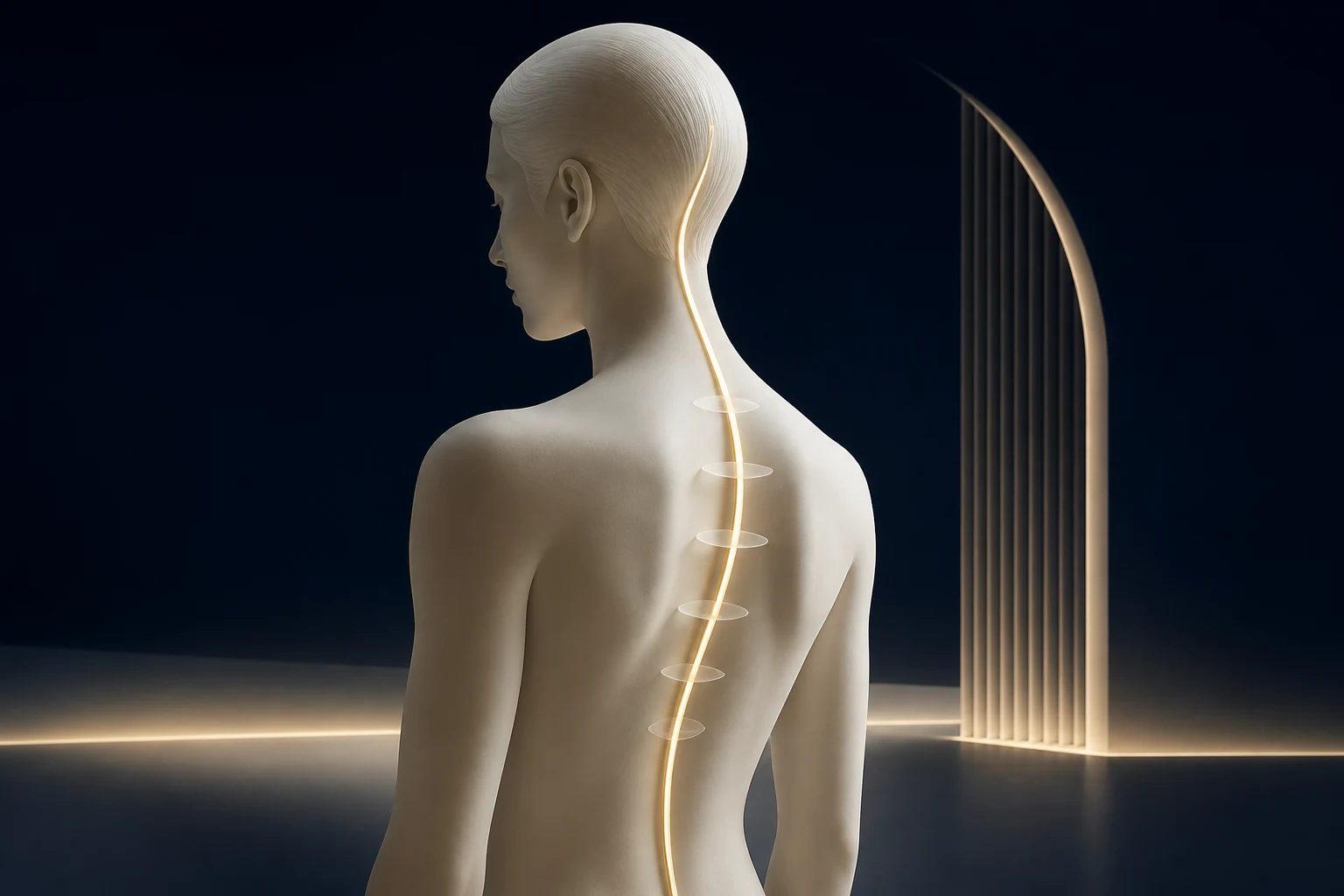
Kyphosis is excessive forward curvature of the thoracic spine that can give the upper back a rounded appearance.
Possible symptoms
A mild curve may be barely noticeable; a more pronounced curve can cause a rounded back, pain, stiffness and rarely breathing or neurological problems.
Causes and associated factors
It may be postural, relate to abnormally shaped vertebrae as in Scheuermann disease, be present from birth, or follow fracture or another condition.
Diagnosis
Examination assesses the curve, flexibility, growth and any neurological signs.
Tests
An X-ray measures and defines the curve; MRI, CT or bone-density testing may be selected according to age, cause and symptoms.
Course of the condition
Progression depends on cause and growth; postural forms often respond well to physiotherapy.
Care options
Observation, exercise, physiotherapy and sometimes bracing are used; spinal fusion is reserved for selected severe or progressive curves.
When to consult
Seek assessment if the curve increases, becomes painful or is accompanied by weakness, numbness or breathlessness.
Urgent help
Major breathing difficulty, new weakness, loss of sensation, or bladder or bowel dysfunction needs urgent assessment.
Questions for your doctor
- Which spinal structure explains my symptoms?
- Which tests are actually useful?
- Which non-surgical options can we try?
- When would an operation be discussed?
- Which neurological signs require emergency care?
Continue reading
A procedure linked to a condition does not establish an indication for your individual situation.
Our articles
Discover all Elysium Editions →Sources
- Great Ormond Street Hospital for Children NHS Foundation Trust — Kyphosis
Accessed on September 15, 2026