Spine surgery · Spine and nerves
Herniated disc
Understand displacement of a spinal disc, nerve symptoms and treatment options.
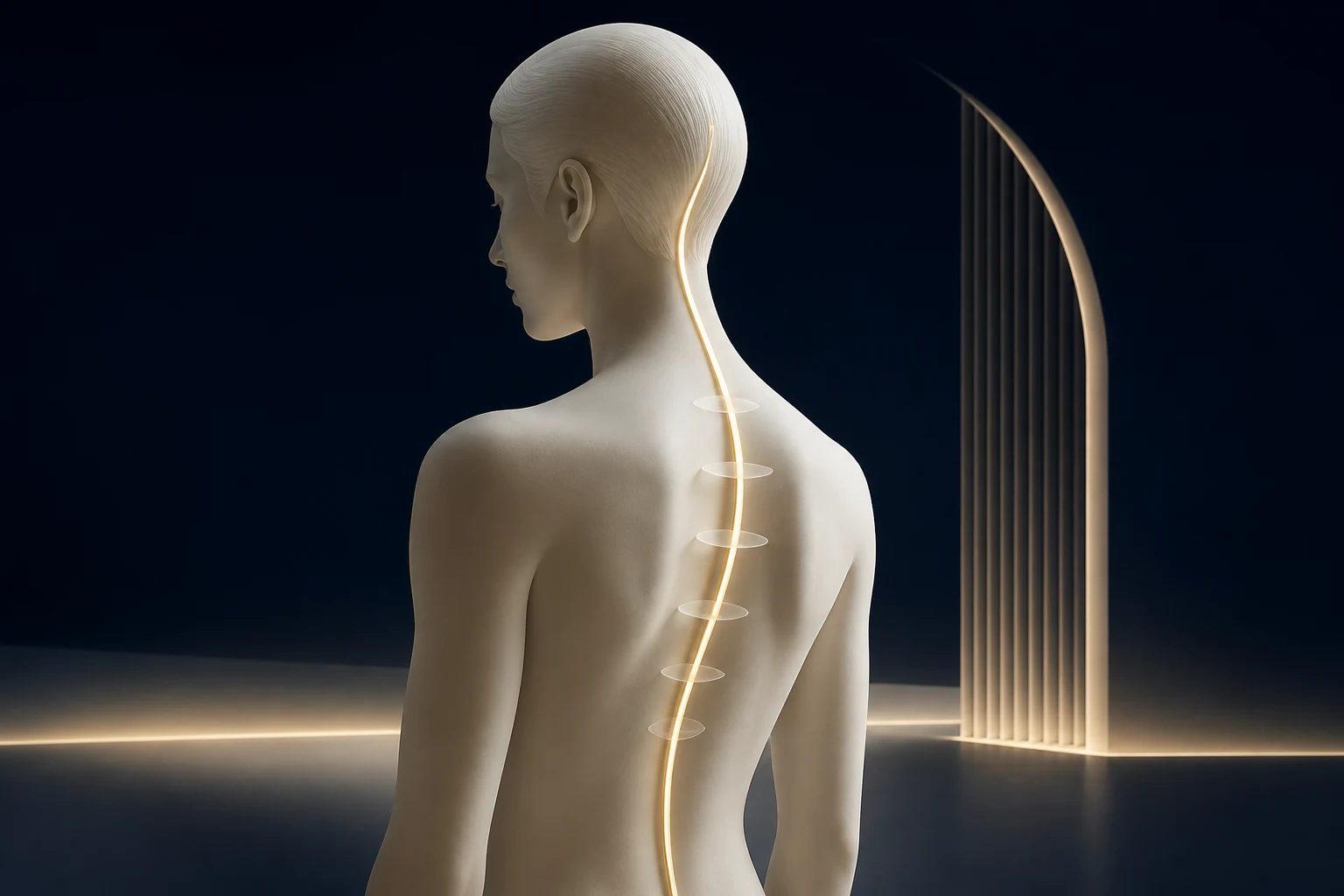
Editorial publication · Medical review pending.
Understand
A herniated disc occurs when part of a disc between two vertebrae bulges out and may irritate or compress a nerve.
Possible symptoms
It may cause neck or back pain, pain travelling into an arm or leg, tingling, numbness or weakness; some herniated discs cause no symptoms.
Causes and associated factors
Age-related disc changes, repeated strain, some lifting injuries and, less often, trauma can contribute.
Diagnosis
Diagnosis starts with the symptom history and an examination of strength, sensation and reflexes.
Tests
MRI is mainly considered when symptoms persist or worsen, warning signs are present, or an intervention is being planned.
Course of the condition
Most episodes improve gradually over several weeks with non-surgical care.
Care options
Staying active as tolerated, modifying activities, pain relief and rehabilitation are usually advised; surgery may be discussed when severe or persistent compression is confirmed.
When to consult
Seek assessment if pain is not improving, severely limits activity or comes with numbness or weakness.
Urgent help
Go to emergency care for numbness around the genitals or anus, difficulty urinating, loss of bladder or bowel control, or marked or bilateral leg weakness.
Questions for your doctor
- Which spinal structure explains my symptoms?
- Which tests are actually useful?
- Which non-surgical options can we try?
- When would an operation be discussed?
- Which neurological signs require emergency care?
Continue reading
A procedure linked to a condition does not establish an indication for your individual situation.
Our articles
Discover all Elysium Editions →Sources
- NHS — Slipped disc
Accessed on September 15, 2026