Spine surgery · Spine and nerves
Cervical spondylosis
Understand common age-related changes in the neck and the symptoms they may cause.
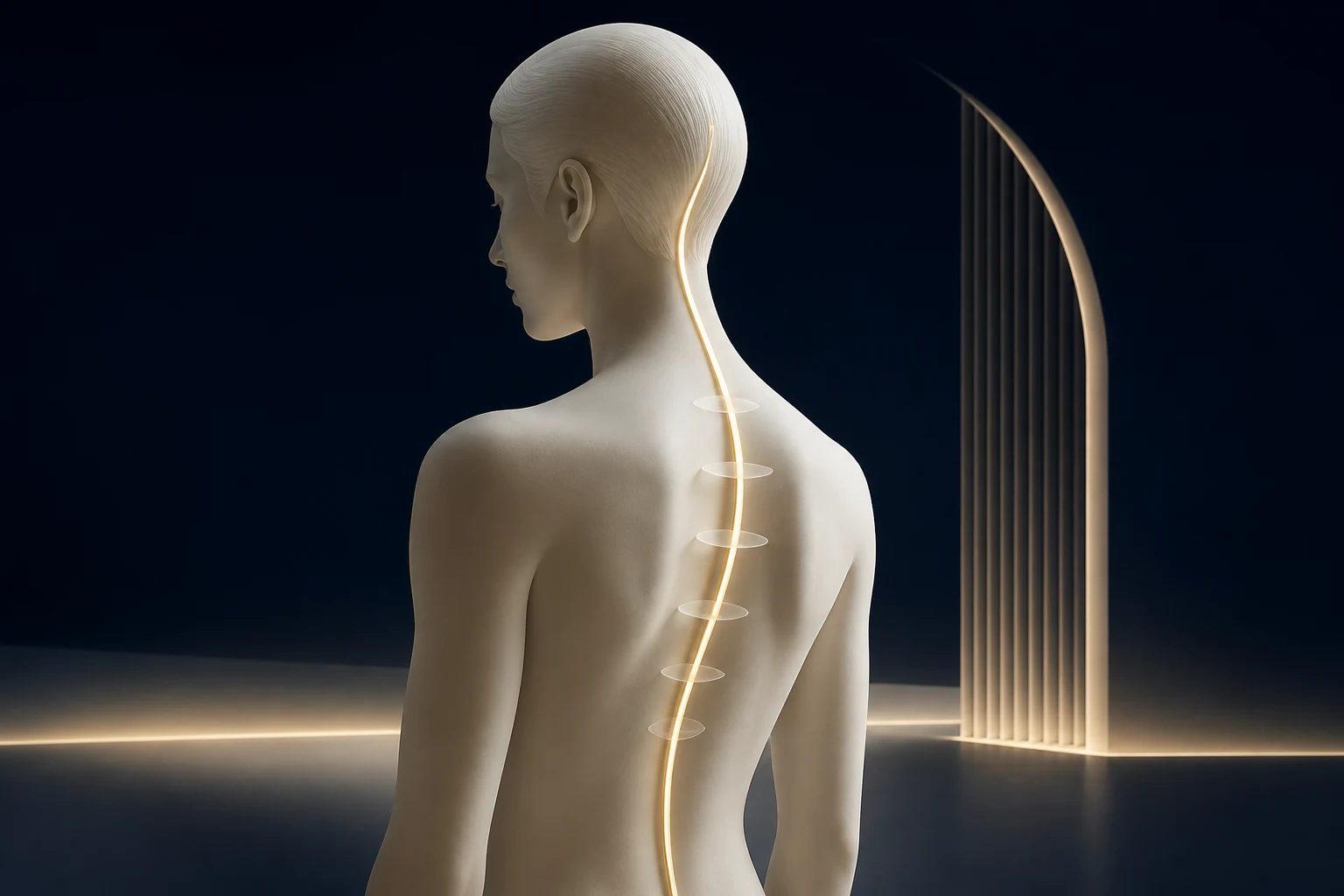
Editorial publication · Medical review pending.
Understand
Cervical spondylosis describes age-related changes in the discs and joints of the cervical spine.
Possible symptoms
It may cause no symptoms or lead to neck or shoulder pain and stiffness, headaches and sometimes arm pain, tingling or weakness.
Causes and associated factors
Discs lose water and joints change with age; small bony growths may develop.
Diagnosis
Diagnosis uses the symptom history and examination of the neck, arms, strength, sensation and reflexes.
Tests
Imaging is not always needed; X-rays or MRI are reserved for persistent, unusual or neurological symptoms.
Course of the condition
Symptoms can fluctuate; many people have changes on imaging without pain.
Care options
Regular movement, exercise, posture changes, suitable pain relief and physiotherapy are often enough; surgery is uncommon unless nerve or spinal cord compression is significant.
When to consult
Seek assessment if pain persists, travels into an arm or comes with numbness, weakness or loss of dexterity.
Urgent help
New difficulty walking, loss of hand coordination, or bladder or bowel changes requires urgent assessment.
Questions for your doctor
- Which spinal structure explains my symptoms?
- Which tests are actually useful?
- Which non-surgical options can we try?
- When would an operation be discussed?
- Which neurological signs require emergency care?
Continue reading
A procedure linked to a condition does not establish an indication for your individual situation.
Our articles
Discover all Elysium Editions →Sources
- NHS — Cervical spondylosis
Accessed on September 15, 2026